Demonstration website by Exergist Innovations Inc. Prototype only. No real offers, transactions or implied affiliations.
Field notes / 06 / Observation
Look. Then look again. Keep what you see separate from what you think it might mean.
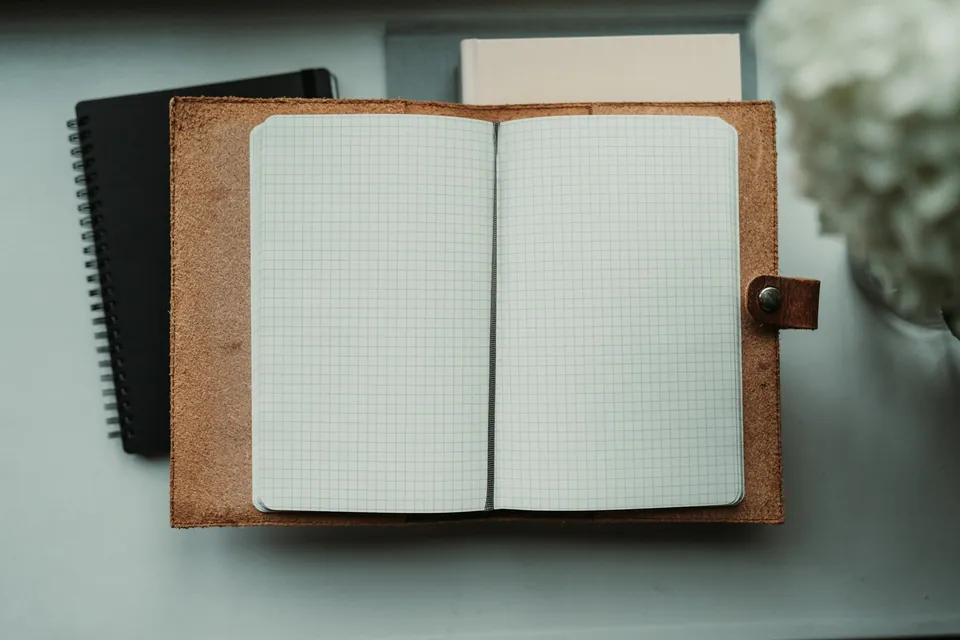
27 Separate the observation, the interpretation and the source.Photograph: Kelly Sikkema / Unsplash (opens a new tab) Observed What is directly visible?
Interpreted What might it mean?
Unresolved What would help you check?
28 Looking closely is a beginning, not a conclusion.Photograph: Manoj Poosam / Unsplash (opens a new tab) A question to carry What was directly visible, and what would need a different method?
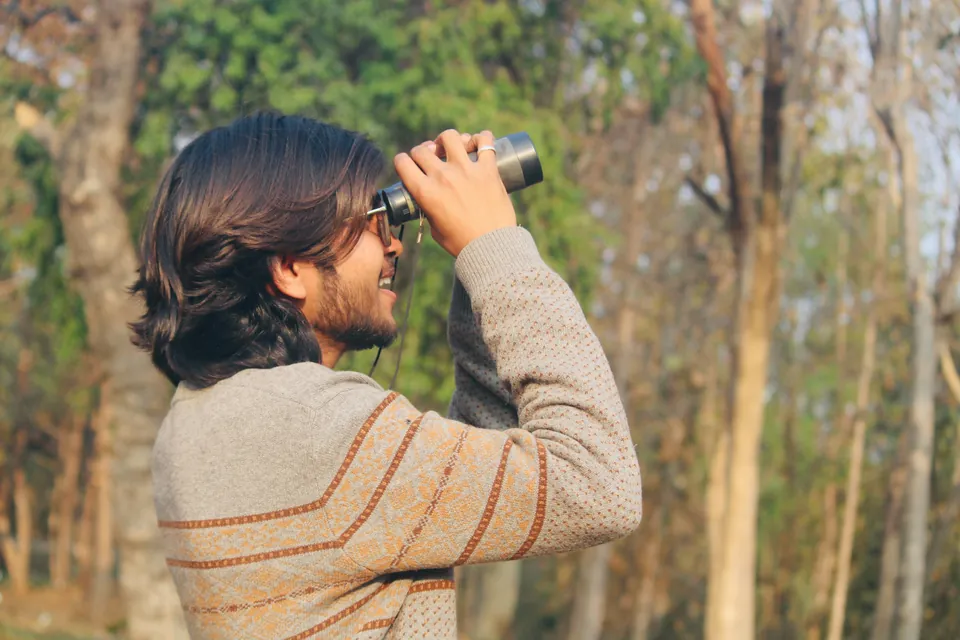
Illustrative person only, not staff, an expert, a client or an endorser. No identity, credentials or model release verified. A point of view
Looking is a beginning. The person in this photograph is an illustrative observer, not a BioLifter researcher, expert or endorser. The scene is a reminder to name your point of view and the limits of what you can see.
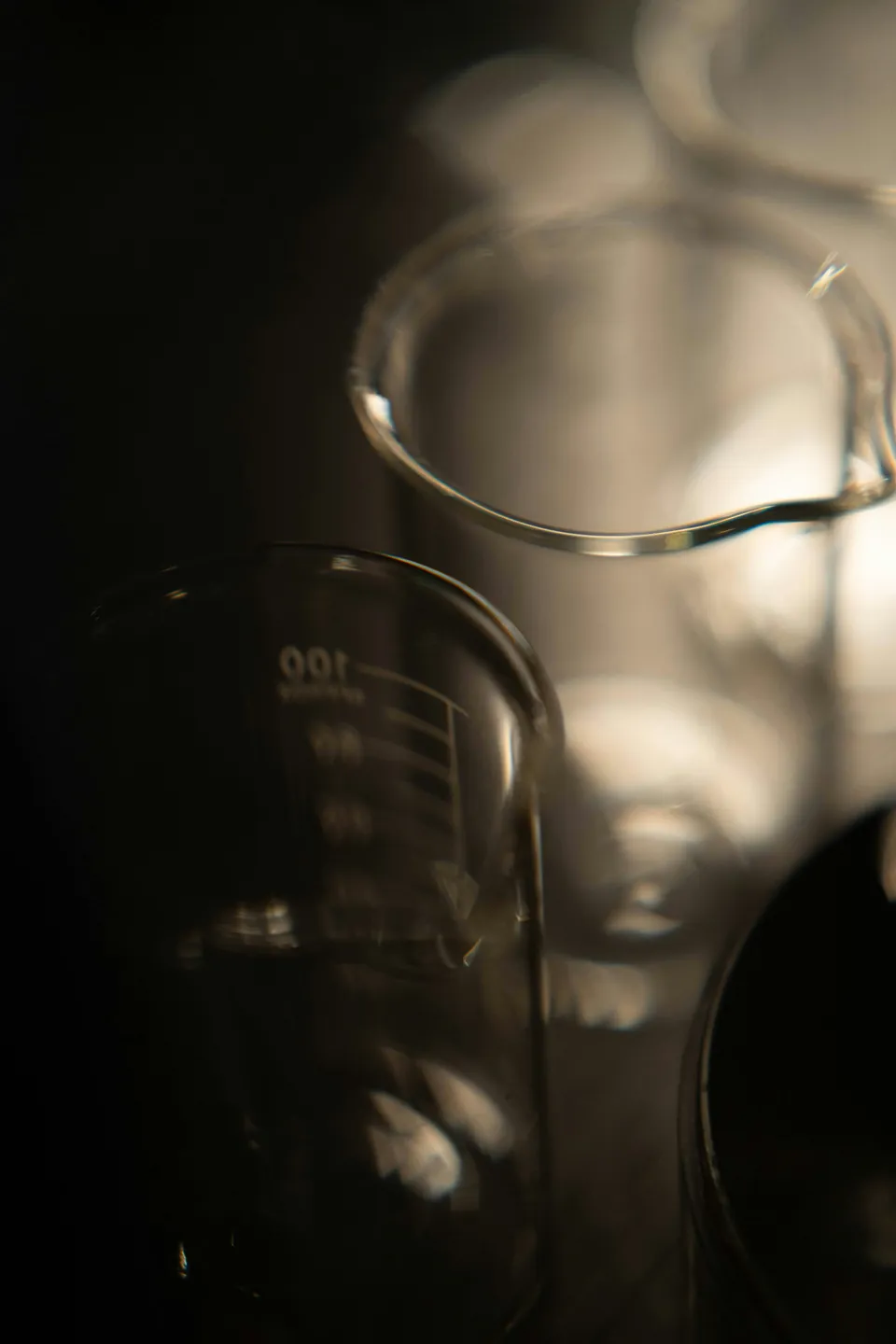
26 A research setting is context, not evidence of a result.Photograph: Madeline Liu / Unsplash (opens a new tab) A picture and its limits
One frame. A photograph can make you curious. It cannot establish a rate of change, a cause or a biological result on its own.
29 A single observation does not establish a rate of change.Photograph: Elly M / Unsplash (opens a new tab) A question to carry What dates, comparison points and conditions would make a change claim checkable?
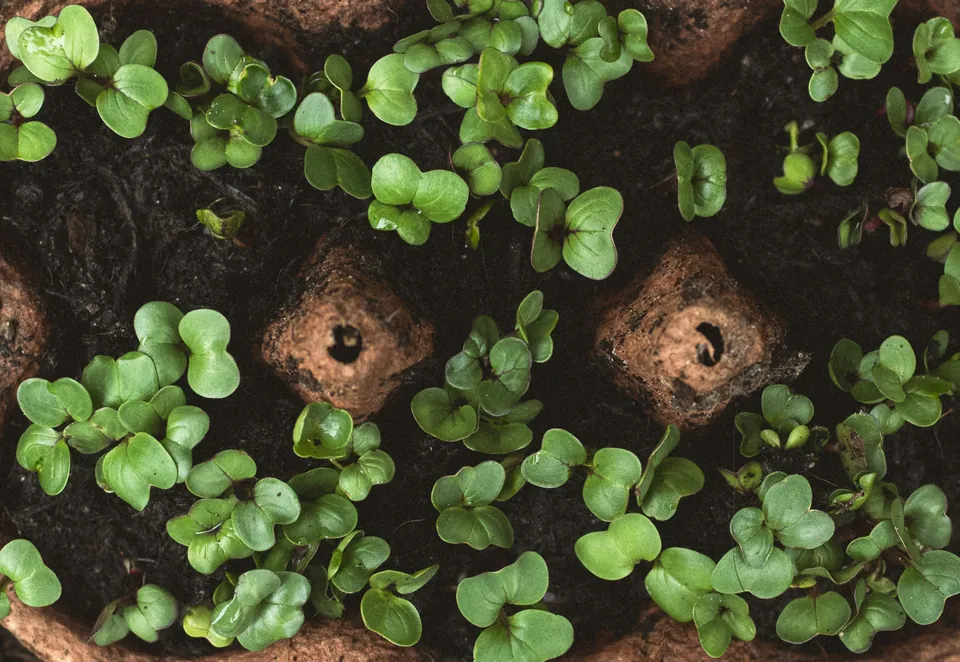
Source identifies radish seedlings; this is not a growth study or evidence about human biology. Do not claim research outcomes or before-and-after change. 30 Describe the visible pattern before explaining it.Photograph: Eden Afolayan / Unsplash (opens a new tab) A question to carry Which parts are directly visible, and which explanations would need a source?
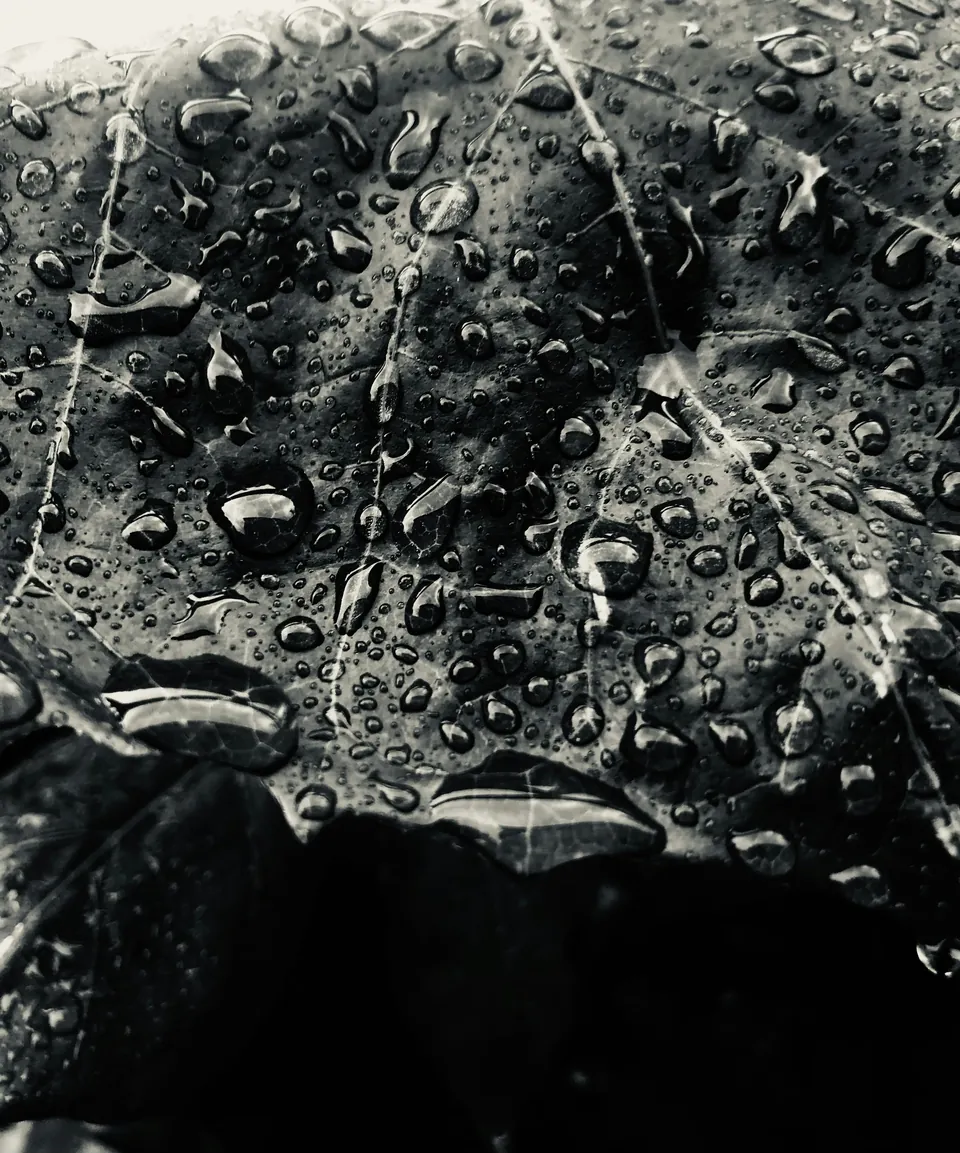
Not microscopic tissue, human biology, a diagnostic image or evidence of a treatment. If the question becomes a research claim
Follow the method, Move from a personal note to the original source. Check what was studied, how the information was collected and which limitations the authors describe. A personal journal is not a controlled study.